
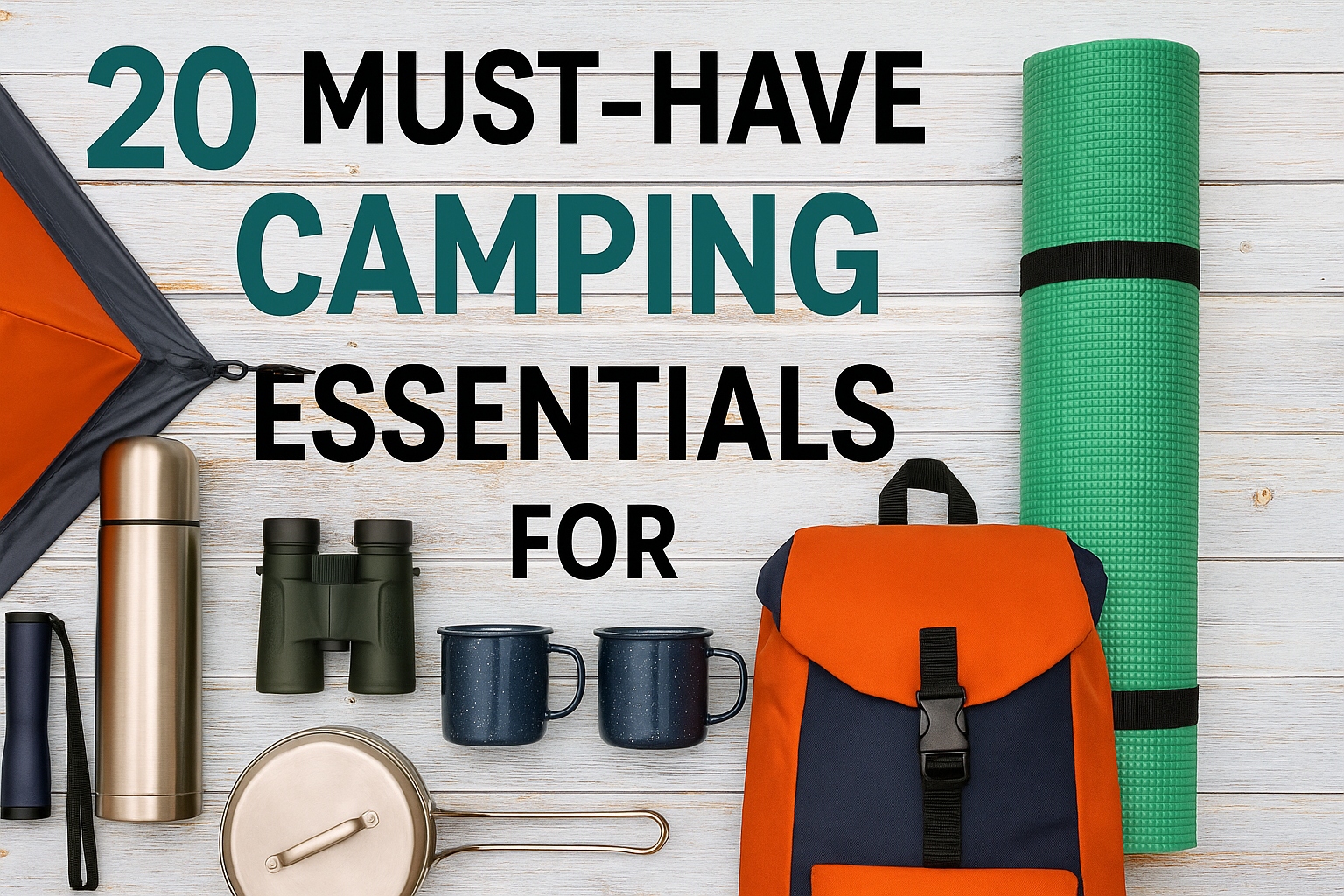
Camping as a family is one of the most rewarding experiences you can have together. It’s a chance to unplug from screens, immerse in nature, and bond over campfires, hikes, and stargazing. But as any parent knows, taking kids outdoors requires more than tossing a tent in the trunk. Without the right gear and preparation, family camping trips can quickly shift from relaxing to stressful—cold nights, hungry kids, or endless “where’s this?” moments.
The good news is, with the right essentials, camping transforms into an adventure everyone enjoys. You don’t need every fancy gadget in the outdoor store—you just need the tried-and-true items that keep your family safe, comfortable, and entertained. These essentials aren’t just about survival; they’re about making memories smoother, meals easier, and nights cozier.
Here are 20 must-have camping essentials for families to guarantee your trip is less chaos and more connection.
1. A Spacious, Family-Sized Tent
A tent that’s too small is a recipe for grumpy kids and restless sleep. Beginners often underestimate how much space a family needs, cramming everyone into a “four-person” tent that barely fits two adults and a child.
Pro tip: size up. If you’re a family of four, go for a six- or eight-person tent. Look for tents with multiple rooms or dividers for privacy, and ensure it has good ventilation for airflow. Waterproofing is critical—check seams, zippers, and rain flies before heading out.
A family-sized tent gives everyone breathing space. Kids can spread out with their gear, parents get room to relax, and you avoid midnight squabbles over elbow space. Comfort starts with shelter, and a spacious tent sets the tone for the whole trip.
2. Quality Sleeping Bags and Pads
Sleeping on the ground without padding is miserable, especially for kids. Quality sleeping bags and pads ensure warmth, cushioning, and a good night’s sleep. Beginners sometimes grab thin bags meant for summer slumber parties, only to shiver when temperatures drop.
Pro tip: choose bags rated for temperatures 10–15 degrees lower than the forecasted nights. Pair them with foam or inflatable pads to insulate against the cold ground. For little ones, bring extra blankets or zip two bags together for comfort.
Restful sleep determines how enjoyable the next day will be. Quality sleep systems mean fewer complaints, more energy, and happier memories.
3. A Portable Camping Stove
Cooking over an open fire sounds romantic, but with kids in tow, it’s not always practical. A portable camping stove makes meal prep faster, safer, and more predictable. Beginners sometimes rely solely on campfires, only to face soggy firewood or burn bans.
Pro tip: choose a two-burner propane stove—it’s compact but powerful. Bring extra fuel canisters, matches, and a windscreen. Plan simple, kid-approved meals like pancakes, pasta, or grilled cheese.
A stove guarantees hot meals without stress. It keeps bellies full, morale high, and allows parents to actually enjoy cooking instead of fighting smoke and flames.
4. A Well-Stocked First Aid Kit
Kids and nature mean bumps, scrapes, and the occasional bee sting. A well-stocked first aid kit is non-negotiable. Beginners often pack only band-aids, but outdoor mishaps require more.
Pro tip: include antiseptic wipes, gauze, tweezers, burn cream, antihistamines, and child-friendly medications. Add extras like blister pads for hikes and insect sting relief. Keep it in a waterproof case and make sure at least one adult knows how to use everything inside.
Having a first aid kit provides peace of mind. You’ll handle small injuries swiftly and keep the adventure going without panic.
5. Plenty of Lighting
Darkness in the woods feels different than at home—pitch black, with kids suddenly clinging to you. Plenty of lighting makes nights safe and fun. Beginners often bring one lantern, only to realize it’s not enough for cooking, bathroom trips, and bedtime routines.
Pro tip: pack a mix—lanterns for the campsite, headlamps for hands-free tasks, and flashlights for kids. Glow sticks are fun for little ones and double as nightlights. Don’t forget extra batteries or rechargeable packs.
Lighting prevents accidents, reduces fear, and extends the fun into nighttime storytelling and games. With the right setup, evenings become some of the most magical moments of the trip.
6. A Cooler or Portable Food Storage
Hungry kids = unhappy campers. A reliable cooler or portable food storage system keeps meals fresh and safe. Beginners often toss food into basic coolers without enough ice, only to find soggy sandwiches or spoiled meat halfway through the trip.
Pro tip: invest in a quality cooler with thick insulation and a tight seal. Pre-chill it with ice before packing, and use block ice or frozen water bottles to keep contents colder longer. Pack perishables like meat and dairy at the bottom, with snacks and drinks on top for easy access. Consider two coolers—one for meals, one for drinks—to reduce constant opening.
For longer trips, look into cooler alternatives like portable camping fridges if you have a power source. Even for short weekends, food safety is critical. A reliable cooler means fresh meals, less waste, and fewer emergency grocery runs.
7. A Camping Cookware Set
Cooking outdoors requires more than just a stove. A camping cookware set—pots, pans, utensils, and plates—makes meal prep manageable. Beginners often forget essentials like spatulas or lids, leaving them improvising with sticks or foil.
Pro tip: get a lightweight nesting set designed for camping. Look for nonstick surfaces, foldable handles, and compact storage. Add extras like a cutting board, sharp knife, and heatproof tongs. Don’t forget a coffee pot or kettle if your family runs on caffeine or hot cocoa.
Having the right cookware keeps meals enjoyable and efficient. Instead of fumbling, you’ll cook with ease, and food tastes better when prepared properly.
8. Insect Repellent and Bug Protection
Nothing derails a camping trip like a swarm of mosquitoes or relentless flies. Insect repellent and bug protection are must-haves for comfort and safety. Beginners often pack one small spray can and run out quickly.
Pro tip: bring multiple forms of protection—sprays, lotions, citronella candles, and mesh head nets for extreme areas. Treat clothing with permethrin for long-lasting defense. For kids, choose repellents that are age-appropriate and skin-safe.
Bugs are part of nature, but they don’t need to ruin the fun. With proper protection, evenings by the fire stay enjoyable instead of itchy.
9. Weather-Appropriate Clothing
Packing the wrong clothing can make or break a trip. Beginners sometimes assume warm days mean warm nights, only to face shivering kids when temperatures drop. Others forget rain gear and end up soaked and miserable.
Pro tip: pack layers—base layers, insulating layers, and waterproof outerwear. Always bring extra socks, hats, and gloves, even in summer. For kids, pack more changes than you think you’ll need—they’ll find every mud puddle. A pair of sturdy shoes or hiking boots plus comfortable camp shoes keeps feet dry and happy.
Weather shifts quickly outdoors. Having the right clothes ensures your family stays comfortable, no matter what Mother Nature throws at you.
10. A Family-Friendly First-Night Meal
The first night of camping is always the toughest—setting up, organizing, and keeping kids occupied. Trying to cook a complicated meal only adds stress. Beginners often plan big dinners, then scramble exhausted after setup.
Pro tip: prep an easy first-night meal at home. Think pre-made chili, pasta salad, or sandwiches you can grab and serve. For kids, pack snacks and finger foods to keep them happy while adults finish camp setup.
This one simple strategy makes your first night smoother. A ready-to-go meal gives you energy, keeps spirits high, and sets the trip off on the right foot.
11. A Portable Water Container or Filtration System
Water is non-negotiable. Families go through gallons each day—for drinking, cooking, and cleaning. Beginners often assume campsite taps will suffice, only to find them inconvenient or nonexistent. Without a plan, you risk dehydration or unsafe water.
Pro tip: bring a large, portable water container with a spigot so kids can refill bottles easily. For longer stays or backcountry trips, a filtration system or water purification tablets are essential. Families especially benefit from gravity filters—less pumping, more convenience.
Don’t forget reusable bottles for each family member. Kids love having their own bottle, and it cuts down on disposable waste. Clean water keeps energy levels high and prevents upset stomachs, ensuring the whole trip runs smoother.
12. A Sturdy Picnic Table Cover or Portable Table
Meal times are central to camping, but campsite picnic tables are often dirty, splintered, or absent altogether. Beginners sometimes forget this, leaving families juggling plates in their laps.
Pro tip: pack a sturdy, wipeable tablecloth with clips to keep it secure in wind. For extra flexibility, bring a lightweight folding table. It’s perfect for food prep, board games, or arts and crafts with the kids.
A clean, organized eating surface makes meals less stressful. It also doubles as a family gathering point, turning simple dinners into special memories.
13. Fire Starters and Cooking Fuel
Campfires are iconic, but starting them isn’t always easy—especially with damp wood or tired kids asking when dinner’s ready. Beginners often assume matches alone will work, then struggle for an hour trying to light wet logs.
Pro tip: bring multiple fire-starting methods—waterproof matches, lighters, and fire starter sticks or cubes. Even cotton balls dipped in petroleum jelly can work in a pinch. Always pack more fuel than you think you’ll need—extra propane canisters, charcoal, or kindling.
Having reliable fire starters keeps the fun flowing. Smores, warmth, and campfire stories depend on it, and with kids involved, quick results matter.
14. A Well-Packed Activity Bag for Kids
Downtime at camp can be tricky with little ones. A well-packed activity bag keeps boredom at bay. Beginners often assume nature alone will entertain kids, but rainy afternoons or long waits can test patience fast.
Pro tip: fill the bag with coloring books, travel games, small toys, and even outdoor essentials like binoculars or bug catchers. Add a journal for older kids to record their adventure. Keep it accessible so they can grab it whenever.
When kids have their own entertainment, parents get breathing room. It’s a simple essential that can make or break the mood of the trip.
15. A Good Camping Chair for Each Person
Camp chairs may seem like luxuries, but they’re true essentials for family comfort. Sitting on the ground or crowded benches grows old quickly. Beginners sometimes pack just one or two, leading to complaints and awkward meal times.
Pro tip: invest in lightweight, foldable chairs sized for both adults and kids. Look for cup holders and breathable fabrics for hot days. Keep them in an easy-to-grab spot so you can pull them out quickly when setting up camp.
Chairs create personal space. After long hikes or meals, everyone appreciates a comfortable seat by the fire. It’s a small detail that massively improves morale.
16. A Comprehensive Navigation System
Even family-friendly campgrounds can be confusing. Trails, loops, and landmarks blur together, and cell service isn’t always reliable. Beginners often rely solely on their phones, only to discover they can’t load maps when they need them most.
Pro tip: always pack a paper map of the area and a compass, even if you have GPS. Teach older kids basic map-reading—it turns navigation into an educational activity. For car camping, offline GPS apps like Gaia or AllTrails can help when service drops.
Good navigation means safety and confidence. You’ll spend less time second-guessing trails and more time enjoying nature together.
17. Rain Protection and Tarps
Rain is part of camping. Without tarps or proper rain gear, you’ll end up soaked and miserable. Beginners often pack only rain jackets, forgetting that gear and tents also need protection.
Pro tip: bring at least one large tarp to cover picnic tables or create a dry common area. Ground tarps under tents prevent leaks, while smaller ones can shelter firewood or gear. Pack ponchos for quick coverage—kids especially benefit from them.
Rain doesn’t have to ruin a trip. With tarps and protection, you create dry zones where fun continues no matter the weather.
18. A Reliable Multi-Tool or Camping Knife
From opening cans to fixing gear, a multi-tool or camping knife is indispensable. Beginners often forget one, then struggle with simple tasks like cutting rope or opening packages.
Pro tip: choose a sturdy multi-tool with pliers, scissors, and a can opener. Keep it in an accessible pouch but out of kids’ reach. Teach older children safe knife skills if age-appropriate—it builds independence.
This single tool handles dozens of little tasks, reducing the stress of “we forgot scissors” or “this rope won’t cut.”
19. Personal Hygiene Essentials
Camping doesn’t mean sacrificing cleanliness. Without hygiene supplies, families quickly feel sticky, uncomfortable, and cranky. Beginners often pack toothbrushes but forget basics like hand sanitizer or biodegradable soap.
Pro tip: create a hygiene kit with toothbrushes, toothpaste, soap, wipes, sanitizer, and quick-dry towels. Biodegradable wipes are lifesavers for quick cleanups. Pack extra for kids—they’ll use more than adults.
Good hygiene keeps everyone comfortable, reduces illness, and makes camping feel more manageable. Clean hands and faces can reset the mood faster than anything else.
20. A Positive Family Attitude
The final essential isn’t gear—it’s mindset. Even with all the right tools, camping throws curveballs: sudden rain, forgotten items, or late-night noises. Families who approach it with positivity and flexibility create the best memories. Beginners often let small hiccups ruin the trip, forgetting the bigger picture.
Pro tip: set expectations before leaving. Remind kids that camping is about adventure, not perfection. Laugh at mistakes, turn challenges into stories, and celebrate little wins—like making the perfect s’more or spotting wildlife.
A positive attitude keeps everyone united. It transforms challenges into bonding moments and makes the trip something your family will want to repeat year after year.
Conclusion
Camping with family is about more than survival—it’s about building memories that stick long after the tents are packed away. With these 20 essentials, you’re prepared for comfort, safety, and joy. From tents and stoves to tarps and attitudes, each item ensures smoother days and calmer nights.
Preparedness is freedom. When you’re stocked and ready, you can focus on the laughter around the fire, the awe of stargazing with your kids, and the thrill of exploring trails together. That’s the real reward of family camping—not just the destination, but the shared journey.
With this checklist in hand, you’ll go into your next trip confident, calm, and ready to create adventures your family will treasure for years.


